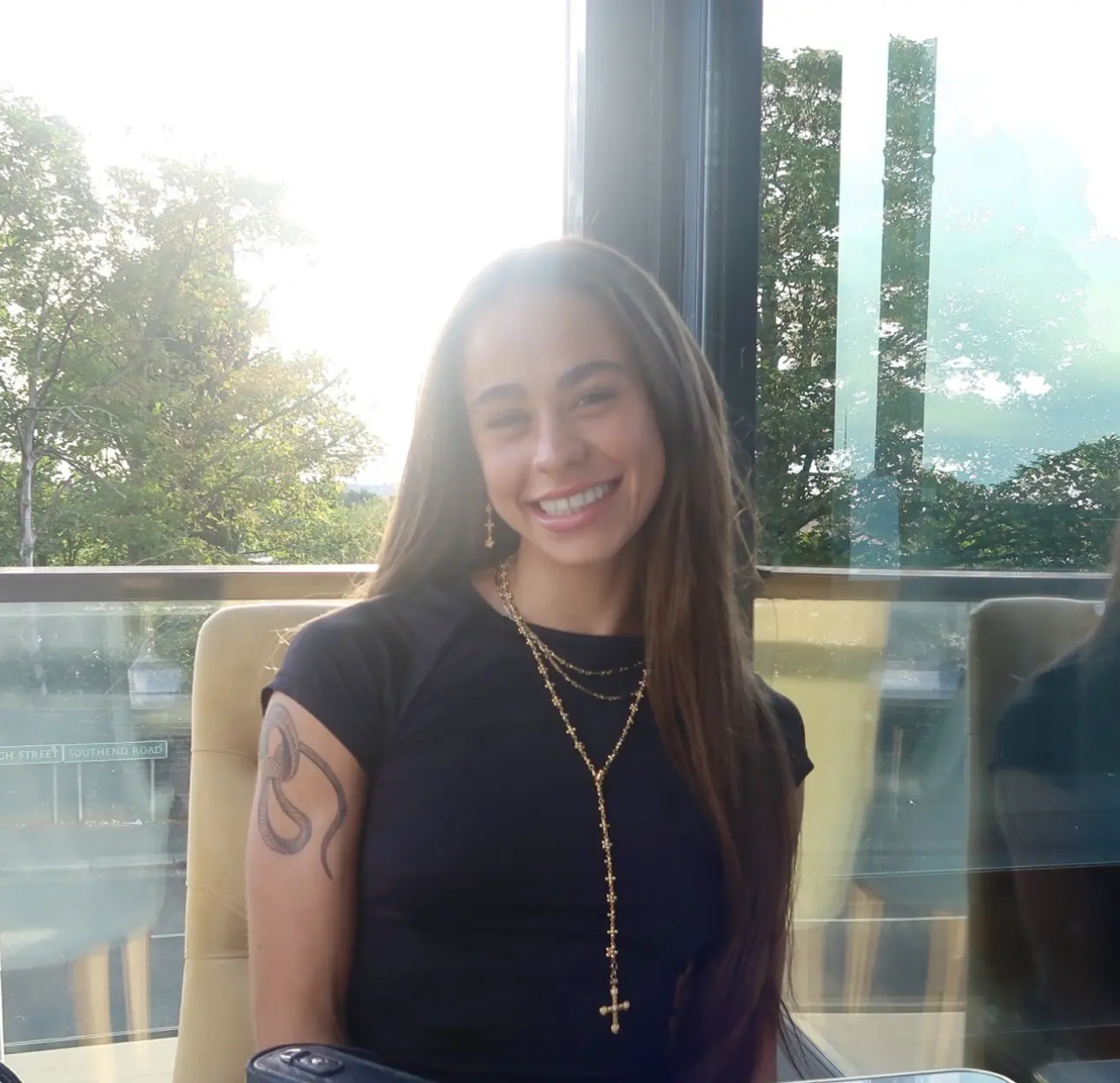
Holly Jordas
JEDS Ambassador
I first came to JEDS when I was just 12 years old, before I was eventually hospitalised with my eating disorder. The support that JEDS gave both me and my mum during one of the darkest and most frightening periods of our lives genuinely helped to save my life. I don’t think I fully understood the impact that support had on me at the time, but looking back now, it is one of the reasons becoming involved with JEDS feels so meaningful to me.
I am now a personal trainer, and a big part of my work is supporting girls and young women with their relationship with exercise, food and their bodies. I am also very open about my own experiences with an eating disorder and recovery on social media. I am still in recovery myself, and I think there is something incredibly powerful about hearing from someone who has lived through an eating disorder but is also honest about the fact that recovery isn’t always a straight line.
For a long time, my eating disorder felt like it was becoming part of my identity. One of the things I am most passionate about now is showing people that their illness does not have to define them. You can struggle, you can have setbacks, and you can still build a life that is so much bigger than your eating disorder. I want to be someone who shows that recovery doesn’t mean becoming a completely different person — it means finding yourself underneath the illness again.
I am passionate about breaking the stigma surrounding eating disorders and creating spaces where people feel able to speak honestly without shame or judgement. My own experiences have given me a purpose that I don’t think I would have found otherwise. Something that once caused me so much pain has become something I can use to connect with and support other people.
Outside of this, I am a personal trainer and I train and compete in Muay Thai. I found Muay Thai after losing my dad last year, during a period when I was struggling enormously both emotionally and mentally. It has become one of the most empowering things I have ever done. It has taught me discipline, resilience, confidence and, perhaps most importantly, that my body is something I can live in and experience life through rather than something that needs to constantly be controlled or changed. Fighting has given me a completely different appreciation for what my body is capable of.
I am also someone who loves creativity. I studied Fine Jewellery and have always loved painting, sketching, doodling and creating things with my hands. I think creativity has been another important outlet for me throughout my life and recovery.
More recently, I have found my Christian faith, which has also become a really important part of my journey. Walking with Jesus has helped me understand that my worth isn’t determined by how I look, what I eat, what I achieve or how productive I am. My faith has given me a sense of hope and purpose, particularly through some of the hardest experiences I have faced.
I also speak BSL, as my mum is deaf and I grew up learning it, and I am currently learning Polish, as my dad was Polish. I love that both of these things connect me to my family and my roots.
I think what I could bring to the JEDS Ambassador Programme is not a story of being completely “recovered” or having everything figured out, but a story of continuing to choose recovery and choosing to build a meaningful life alongside it. I know what it feels like to be a frightened 12-year-old who doesn’t know if things will ever get better, and I also know what it feels like to slowly discover that there is so much more to life than the illness.
JEDS played a part in helping me find that out, and I would love the opportunity to give something back. If sharing my story, speaking openly about eating disorders, supporting others or simply showing someone that recovery is possible can help even one person feel less alone, then that would mean an enormous amount to me.
What made you want to become a JEDS Ambassador?
I want to become a JEDS Ambassador because JEDS has been part of my story for over a decade. I first came to JEDS when I was 12 years old, at a time when my eating disorder was taking over my life, and the support they gave me and my mum played such an important role in helping me through one of the most difficult periods of my life. To now have the opportunity to potentially give something back to the organisation that once supported me would mean so much to me.
I also feel strongly that there is power in having someone with lived experience speak openly about eating disorders. I am still in recovery myself, and I don’t want to pretend that recovery is always perfect or linear. I want people to see that you can struggle and still have a life, a purpose, ambitions, relationships and an identity outside of your illness. I want to help people understand that an eating disorder is something you can experience, not something you have to become.
Through my work as a personal trainer and the conversations I have online, I already have opportunities to speak to young women about body image, exercise, food and self-worth. Becoming a JEDS Ambassador would allow me to use my own experiences in a more purposeful way and help break down some of the shame and stigma that still surrounds eating disorders.
I also want to be a voice for people who may not feel ready to say that they are struggling. I know what it is like to feel consumed by an eating disorder and to believe that you are alone in it. If sharing my story can make someone feel understood, encourage them to ask for help, or remind them that their illness does not have to define their future, then that is something I would be incredibly proud of.
JEDS gave me hope at a time when I really needed it. Becoming an Ambassador feels like an opportunity to turn something that has been a huge part of my own struggle into something positive — to advocate, educate, challenge stigma and hopefully help someone else believe that there is a life beyond their eating disorder.
Why do you think the work JEDS does is important?
I think the work JEDS does is incredibly important because it genuinely saves lives. Eating disorders can be incredibly isolating, and having somewhere you can go where you feel safe, understood and not judged can make such a huge difference, especially when you may already feel ashamed or frightened about what you are experiencing.
JEDS doesn’t just support the person experiencing the eating disorder either — it also provides support and guidance to the families, friends and loved ones caring for someone who is struggling. Eating disorders affect far more than one individual, so having somewhere for those around them to turn to is just as important.
I also think the practical support JEDS provides is invaluable. Having access to resources, tools and people who understand what you are going through can help someone manage their illness and take steps towards recovery, even when they may not know where to start.
For me personally, one of the most powerful things JEDS provides is the reminder that you are not alone. Being surrounded by people who have experienced similar struggles can give you a sense of belonging when an eating disorder can make you feel completely isolated. Sometimes knowing that other people understand, that other people have been where you are and that recovery is possible can give you a reason to keep going on the days when you don’t have much hope yourself.
I think JEDS gives people more than support — it gives people connection, understanding, hope and ultimately the opportunity to believe that their life can be bigger than their eating disorder.
What is one thing you wish more people understood about eating disorders?
One thing I wish more people understood is that eating disorders are generally not just about food.
Often, food and the behaviours surrounding it become a way of coping with something much deeper. It can be about feeling a lack of control in other areas of your life, struggling with difficult emotions, trauma, grief, anxiety, self-worth or things that you don’t feel able to process or control. When everything else feels overwhelming or out of your control, controlling food, your body or your eating can create a temporary sense of control and become a coping mechanism.
I think it is important that people understand that simply telling someone to “just eat” or “just stop” completely misses what is really happening underneath. The food is often the visible part of a much bigger struggle.
Why do you think raising awareness of eating disorders if important?
I think raising awareness of eating disorders is important because there is still so much misunderstanding, stigma and shame surrounding them. The more openly we talk about eating disorders, the more we can help people recognise that they are serious mental illnesses and not simply a choice, a diet or something that only affects a certain type of person.
Awareness can also help people recognise the signs earlier, both in themselves and in the people around them. Someone may be struggling in silence because they don’t realise that what they are experiencing is an eating disorder, or because they are too ashamed or afraid to ask for help. By having honest conversations, we can make it easier for people to reach out before their illness becomes even more consuming.
I also think it is important to challenge the stereotypes around what an eating disorder looks like. You cannot always tell that someone is struggling by looking at them, and eating disorders can affect anyone, regardless of their age, gender, weight or background.
Most importantly, I believe awareness creates hope. Talking openly about eating disorders and recovery reminds people that they are not alone and that there is help available. I know personally how powerful it can be to hear someone speak openly about something you thought you were the only person experiencing. If raising awareness means one person feels less ashamed, recognises that they need help, or finds the courage to ask for it, then it can genuinely make a difference and potentially save a life.
What are you hoping to achieve through being a JEDS Ambassador?
Through being a JEDS Ambassador, I hope to use my own lived experience to give something back to an organisation that supported me when I needed it most.
I want to help raise awareness and break down the stigma and misconceptions surrounding eating disorders, particularly the idea that you can always tell when someone is struggling or that an eating disorder is simply about food or weight. I want to help create more open conversations so that people feel less ashamed of what they are experiencing and more comfortable asking for help.
I also hope to show people that an eating disorder does not have to become their identity or determine the rest of their life. I am still in recovery myself, and I think being honest about that is important. I want to demonstrate that recovery isn’t necessarily a straight line, but that you can continue to grow, find purpose, build a career, have passions, relationships and dreams, and create a life that is so much bigger than your illness.
I would love to use my platform, my work as a personal trainer and my own experiences to reach people who may not yet feel ready to seek professional help, while encouraging them to recognise that they deserve support. I also want to help people around those struggling understand how they can support their loved ones without judgement.
Ultimately, I hope to make people feel less alone. If sharing my story can make someone recognise themselves, give them the courage to speak up, or remind them on a difficult day that there is a reason to keep going, then I would feel that I had achieved something incredibly meaningful.
Most importantly, I want to turn something that has been such a difficult part of my own life into something that can help someone else.
What do you do, or plan to do, to support the charity as JEDS Ambassador?
As a JEDS Ambassador, I plan to use my social media platforms to speak openly about JEDS, the support they provide and the difference they can make to people and families affected by eating disorders. I want to share my own lived experience and talk honestly about how JEDS supported me and my mum when I was younger, helping people understand that there is support available and that they don’t have to face an eating disorder alone.
I also want to use my position as a personal trainer to help start more conversations around eating disorders, particularly around exercise, body image, food and the pressures that young women can experience. I would like to be someone who people feel comfortable approaching and talking to without fear of judgement.
In the longer term, I would love to become more involved in the charity beyond the ambassador role and potentially work as a support worker. I would like to be able to give back in a more personal and hands-on way, becoming someone that people can come and speak to who understands what they are going through from lived experience.
I also plan to raise money for JEDS through events, challenges and things I take on personally. Whether that is through fitness challenges, Muay Thai or other fundraising events, I want to use the things I am passionate about to give something back to the charity that gave so much to me and my family.
Ultimately, I want to use my voice, my lived experience, my career and my platform to help JEDS reach more people, raise awareness, reduce stigma and remind people that they are not alone. JEDS played a huge part in helping me get to where I am today, and I would love the opportunity to give back to them in every way I can.
What would you say to someone affected by an eating disorder who might be struggling to reach out for support?
If you’re reading this and you’re scared to reach out, I want you to know that you don’t have to wait until things get worse before you deserve help.
I know how frightening it can be to admit that you’re struggling. You might be worried that people won’t understand, that they’ll judge you, or that you aren’t “sick enough” to deserve support. But you don’t have to prove how unwell you are before someone will listen.
I remember what it felt like to be young, frightened and consumed by an eating disorder, and I know how difficult that first step can feel. But reaching out doesn’t mean you have failed. It means you are choosing yourself.
And if you’re worried about feeling alone, I promise you, you won’t be. JEDS has the most lovely, compassionate group of people who understand what you’re going through and will make you feel seen, heard and understood without judgement. Eating disorders can be such an isolating illness, and sometimes just being around people who genuinely get it can make you realise that you aren’t the only person fighting this battle.
You don’t have to figure everything out today. You don’t even have to know exactly what to say. You can simply say, “I’m struggling and I don’t know what to do.” That is enough.
You are so much more than your eating disorder. You deserve to have a life that isn’t controlled by food, exercise, your body or the voice telling you that you aren’t enough.
I know taking that first step can feel terrifying, but I promise you, reaching out could be one of the best things you ever do. You don’t have to do this alone.
Take the step while you’re scared. You don’t have to be fearless to ask for help.
There is a version of your life beyond this illness that you haven’t met yet. Please don’t give up before you get the chance to meet them.
A few fun facts
What are three words that describe you? Driven, caring, strong
What is your favourite place in Jersey? Sunset spot – st ouens
What is your favourite food? Steak or sushi
Coffee or tea? Tea
Early bird or night owl? Night owl that is forced to be an early bird:(
What is something that always makes you smile? The sun
What is one thing on your bucket list? Fight in Thailand